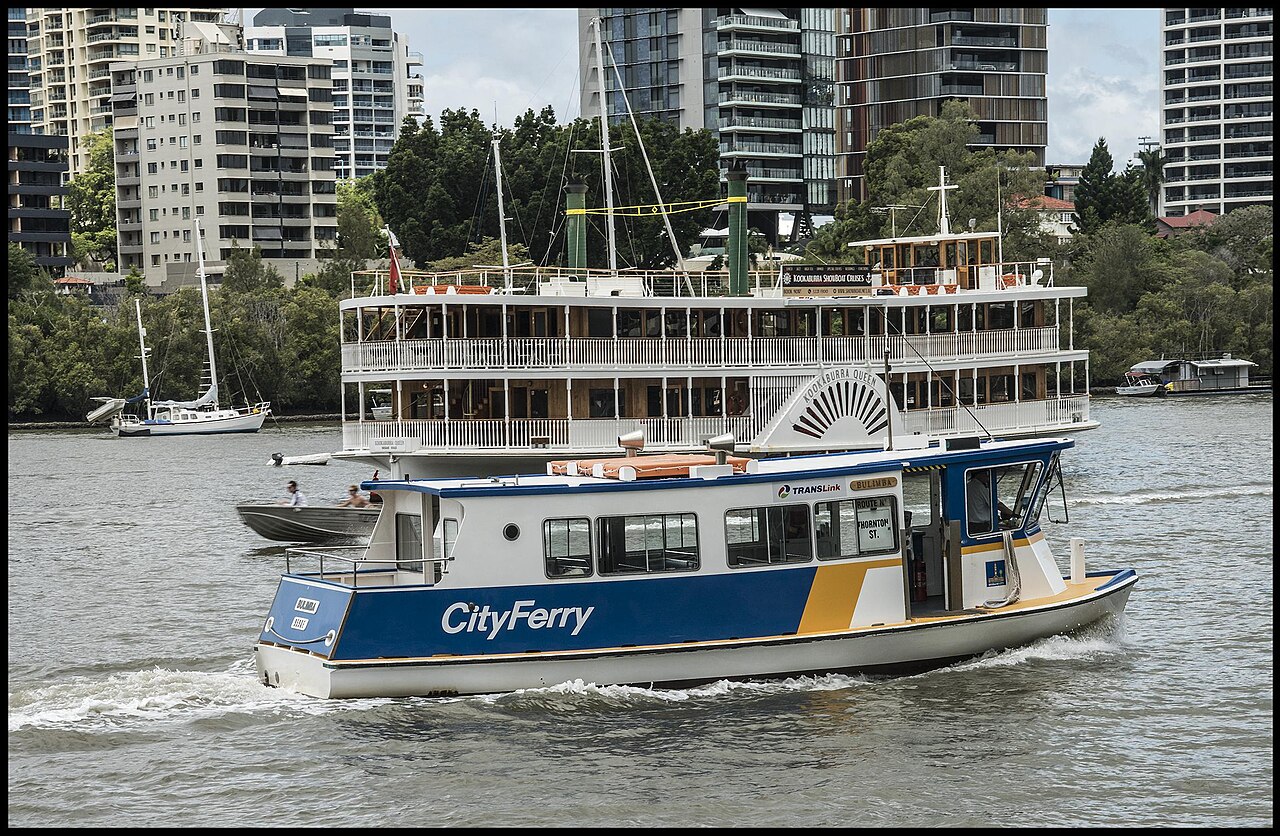
Brisbane residents are reeling from the heartbreaking news that one of the city’s most cherished icons, the Kookaburra Queen I, has tragically succumbed to the depths of the Brisbane River. Footage emerged showing the beloved paddleboat, a vessel synonymous with celebrations and river life for over four decades, slowly sinking at its mooring in Hemmant. This devastating event marks a somber chapter for a landmark that has etched itself into the memories of generations, leaving many to wonder about the future of this irreplaceable piece of Brisbane's heritage. The sight of the Brisbane paddleboat sinks news has sent shockwaves through the community, highlighting the fragility of historical treasures and the deep emotional connection many had to this grand dame of the river.
A Legacy Afloat: The Kookaburra Queen's Storied Past
For more than 40 years, the Kookaburra Queen paddleboats have been an unmistakable presence on the Brisbane River, instantly recognisable by their classic Mississippi River steamer aesthetic, complete with elegant timber hulls, towering funnels, and the iconic paddlewheels. Originally built for the much-celebrated World Expo ’88, there were two nearly identical vessels, affectionately known as the ‘Kookas’ by locals. These majestic boats quickly transitioned from Expo showpieces to integral fixtures of Brisbane's social fabric.
Indeed, it would be challenging to find a Brisbanite who hasn't shared a significant life event aboard one of these vessels. From joyous weddings and milestone birthdays to cherished Mother’s Day celebrations and corporate functions, the Kookaburra Queens served as a floating venue for countless memories. The distinct sound of their paddles rhythmically slapping through the water, coupled with the nostalgic blast of their horn, became an auditory signature of the River City, deeply ingrained in the collective consciousness.
Alex Rolfe, whose father was a part-owner in the early 2000s, started working on the Kookas at just 10 years old, accumulating "a good 10 years of my life on those boats, a lot of memories." His sentiment echoes that of many: "a piece of history that we all so desperately love."
Echoes of the Mississippi on the Brisbane River
The design of the Kookaburra Queen I was a deliberate nod to the grandeur of American riverboats, offering a unique blend of old-world charm and modern hospitality. The 30-metre vessel was not merely a means of transport but a destination in itself. It boasted impressive amenities designed to cater to large-scale events:
- Two spacious dance floors with a comprehensive PA system
- Seating capacity for up to 320 guests
- A fully-equipped commercial-grade kitchen
- Eight well-maintained bathrooms
- Sweeping decks offering panoramic views of the Brisbane skyline
These features ensured that every journey was an experience, combining fine dining with vibrant entertainment against the stunning backdrop of the river. The Kookaburra Queen I was not just a boat; it was a character in Brisbane's story, an elegant ambassador for the city, and a testament to a bygone era of leisurely river cruising.
The Tragic Decline: From River Icon to Underwater Mystery
The first signs of trouble for the Kookaburra Queen I emerged when it was spotted partially submerged at its mooring in Hemmant. Images showed water ominously lapping up its sides and onto the deck, as a small, desperate crew worked tirelessly but ultimately in vain to pump out the intruding water. The scene was described as "heartbreaking" by former owner Jim Kelly, who continued to work on the vessel after its sale.
The vessel's recent history adds another layer of intrigue to its tragic end. Built in 1986, it survived the devastating 2011 Queensland floods, a testament to its robust construction. However, it ceased commercial operations after sustaining further damage in the 2022 floods, signaling a period of decline. Despite this, the vessel was sold at auction less than five months ago, with bidding starting at a symbolic $9 but ultimately closing at a significant sum of around $500,000, or "more than half-a-million dollars" according to reports. This substantial investment by the new owner makes its sudden sinking even more perplexing.
A Shocking Turn of Events and a Puzzling Sale
The mystery surrounding the sinking is palpable. Jim Kelly, a captain of Brisbane Cruises and a long-time caretaker of the boat, expressed utter shock. He vehemently stated, "Bloody pathetic, it’s got a good hull – a triple diagonal hull that’s stiff and waterproof." He further recounted being on board just a month prior, noting that regular caretakers were living on the vessel and "it was all good." The suddenness of its submergence, especially after being taken off its usual berth, has left many searching for answers.
The question on everyone's mind is: How could a vessel renowned for its sturdy build, capable of withstanding major flood events, sink so unexpectedly after such a recent, high-value transaction? Was it a structural failure unseen by recent inspections? A maintenance oversight? Or could there be more to this unfolding drama? The lack of clear answers only deepens the community's distress over the loss of such a significant piece of its history.
The Kookaburra Queen I’s fate now hangs in the balance, facing an uncertain future. The cost of salvaging and potentially restoring such a large, historic vessel would be immense, a challenge Jim Kelly himself acknowledged: "It’s going to be expensive and will be very hard to come back from that once it’s all submerged."
More Than Just a Boat: Brisbane's Collective Memory
The sinking of the Kookaburra Queen I is more than the loss of a mere vessel; it represents a tangible loss of collective memory and a piece of Brisbane's soul. For many, it's a nostalgic connection to simpler times, to grand celebrations, and to the vibrant pulse of a growing city. The sentiment that "it’s a bit of history that we need to keep" resonates deeply within the community.
The paddleboats were not just commercial enterprises; they were cultural touchstones. They embodied the spirit of Brisbane, reflecting its growth from the days of Expo '88 to its current status as a bustling metropolitan hub. The thought of potentially showcasing a restored Kookaburra Queen during the upcoming Brisbane Olympics was a cherished dream for many, seeing it as "a showpiece for Brisbane." Even a future as a stationary floating restaurant was considered a worthy way to preserve its legacy.
The outpouring of grief and shared memories highlights the profound emotional bond people had with this magnificent boat. It reminds us that landmarks, especially those tied to personal milestones, become interwoven with our identities and the stories we tell about ourselves and our city.
The Sound of History: Paddles, Horns, and Unforgettable Moments
What truly made the Kookaburra Queens iconic were the sensory experiences they offered. "Everyone remembers the sound of the paddles going through the water and the horn," recalls Alex Rolfe. This wasn't just background noise; it was the soundtrack to countless romantic evenings, lively parties, and serene cruises. The rhythmic churn of the paddlewheels, the gentle rocking of the boat, and the panoramic views of the city lights created an ambiance that was utterly unique to the Brisbane River.
Losing this beloved Brisbane icon means losing a piece of that sensory history. The opportunity to cruise on the Kookas, a cherished activity, is now gone for one of the vessels. This absence creates a void, reminding us of the importance of actively preserving our heritage before it's too late. The Kookaburra Queen I's legacy will live on in photos, videos, and countless personal anecdotes, but the tangible experience of its presence on the river will be sorely missed.
What Lies Ahead? Preserving Brisbane's Maritime Heritage
The sinking of the Kookaburra Queen I presents Brisbane with a significant challenge and a moment for introspection regarding its maritime heritage. While the immediate focus is on understanding the cause of the sinking and assessing the feasibility of salvage, the broader conversation must turn to how the city can better protect its other historical assets.
For such an important piece of history, questions will undoubtedly arise regarding proper maintenance protocols for aging vessels, the responsibilities of owners of historical artifacts, and the role of the community in advocating for their preservation. While the Kookaburra Queen I benefited from a robust "triple diagonal hull," even the best construction requires diligent upkeep, especially for boats that have weathered decades of river life and multiple flood events.
The cost of restoring a submerged, aging paddleboat is formidable, often requiring specialised maritime engineering and significant financial investment. However, the emotional and cultural value it holds for Brisbane might warrant extraordinary efforts. Whether it rises from the riverbed to sail again, or finds a new life as a static exhibition or memorial, its story serves as a poignant reminder that heritage is a living thing, requiring constant care and appreciation to endure for future generations.
The sinking of the Kookaburra Queen I is a profound loss for Brisbane. It's not just a boat that has gone underwater; it's a repository of cherished memories, a symbol of the city's growth, and a distinctive piece of its identity that now faces an uncertain future. As the community mourns this tragic event, it serves as a powerful call to action: to value, protect, and actively preserve the historical treasures that define our cities and connect us to our past, ensuring that their unique sounds, sights, and stories continue to resonate for generations to come.